Custom Tattoos
The Process of Getting a Custom Tattoo Sleeve
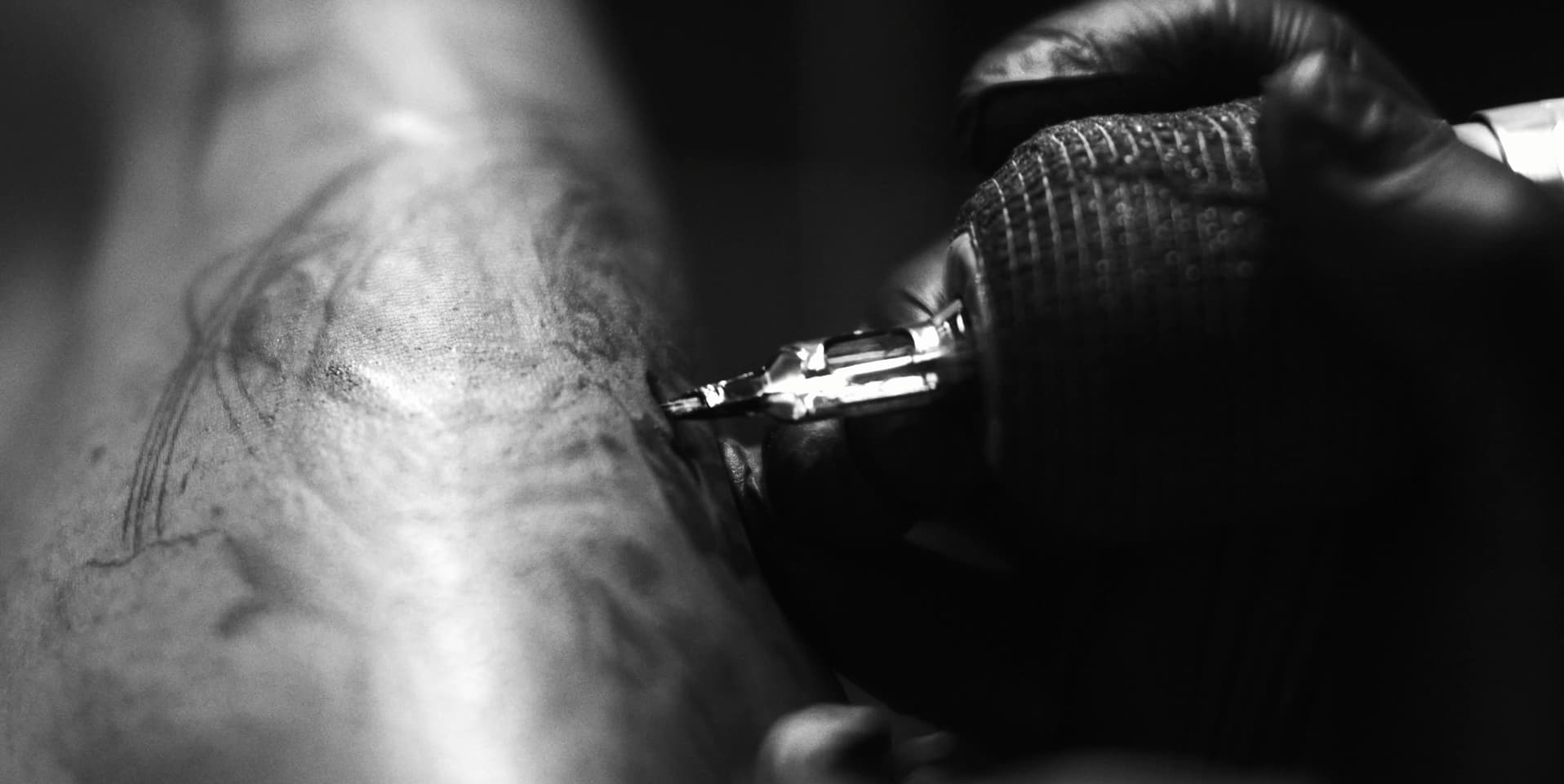
A custom tattoo sleeve is one of the most ambitious projects you can undertake in tattooing. It's not a single piece—it's a composition. A wearable collection of imagery that needs to flow together, complement your body's natural shape, and hold up as a cohesive work of art from every angle.
It's also not something you should rush into. The best sleeves are the result of careful planning, clear communication, and a willingness to invest the time the project truly requires. For anyone considering a custom tattoo sleeve in Atlanta, here's what the process actually looks like when it's done right.
It All Starts With the Consultation
Every sleeve begins with a conversation. Not a quick exchange of reference photos over DM—a real, substantive consultation where the artist and the client get on the same page about the project's scope, themes, style, and timeline.
This is where the big-picture decisions happen. What's the overarching concept? Is there a unifying theme—portraiture, nature, religious imagery, something abstract? How do you want the sleeve to feel when someone sees it from across the room? These are the kinds of questions that shape everything that follows.
At JP Alfonso Studios, a custom tattoo studio in Norcross, Georgia, serving the Atlanta area, consultations for sleeve projects are given the time they deserve. A sleeve is a commitment measured in months or even years, and the planning phase should reflect that.
Designing for Flow and Composition
One of the biggest mistakes people make with sleeves is treating them as a collection of individual tattoos that happen to be next to each other. That approach almost always results in a patchwork look—nice pieces individually, but no sense of unity.
A well-designed sleeve is composed as a single piece. The imagery flows with the curves and contours of the arm. Elements are balanced in terms of scale, weight, and visual interest. Negative space is used intentionally, not just left over as an afterthought.
And the design accounts for how the sleeve will look from the front, the back, and the side—not just one angle.
This level of compositional thinking is what separates a truly exceptional sleeve from one that simply fills space. It requires an artist who understands not just tattooing, but design principles—balance, movement, visual hierarchy.
The Multi-Session Reality
There's no shortcut to a great sleeve. Depending on the complexity and level of detail, a full sleeve typically takes anywhere from four to ten sessions, sometimes more. Each session builds on the last, adding layers of detail and refinement.
This phased approach isn't just practical—it's essential. Working in stages allows the skin to heal properly between sessions, gives the artist the ability to make subtle adjustments as the piece evolves, and ensures that the final result has the depth and richness that can only come from a layered process.
For clients who appreciate craftsmanship and understand that quality takes time, this is actually one of the most rewarding parts of the experience. Watching a sleeve come together session by session is unlike anything else in tattooing.
Adapting as the Project Evolves
One of the realities of a long-term tattoo project is that things can shift along the way. Maybe a design element that looked great on paper doesn't translate perfectly to skin. Maybe you discover new reference imagery between sessions that inspires an adjustment. Maybe the composition needs a tweak once you see how the first few sections sit together.
A skilled artist expects this and builds flexibility into the process. The design isn't locked in stone on day one—it's a living document that evolves as the work progresses. At JP Alfonso Studios, this adaptive approach is built into how sleeves are managed, ensuring the final result is always the best possible version of the original vision.
Aftercare Is Part of the Investment
With a multi-session project like a sleeve, aftercare isn't a one-time thing—it's an ongoing responsibility. Each session requires its own healing period, and how well you care for the tattoo between sessions directly impacts the quality of the finished piece.
Your artist will provide specific aftercare instructions, and following them closely is one of the most important things you can do to protect your investment. Long-term, consistent sun protection and basic skin care will keep the work looking sharp for decades.
Choosing the Right Partner for a Long-Term Project
A sleeve isn't a one-and-done transaction. It's a creative partnership that unfolds over time. That means the artist you choose needs to be someone whose work you trust, whose process you're comfortable with, and whose communication style works for you.
At JP Alfonso Studios, clients in Atlanta and the surrounding area find a team that treats sleeve projects with the seriousness and artistry they deserve. The result is work that isn't just technically excellent—it's personally meaningful, compositionally sophisticated, and built to last.